



Fashion Queen: Dress Up Game review
 Analysis by GetAllApps
I went into Fashion Queen: Dress Up Game expecting a light fashion activity, and that is the right way to approach it: the appeal is making a look for a model-show setting and seeing how your choices fit the occasion. It is a role-playing game built around fashion rather than a deep character story or a demanding combat loop. I found it most enjoyable in short visits, when I wanted a simple creative task with a clear theme.
Choosing a look is the first goal
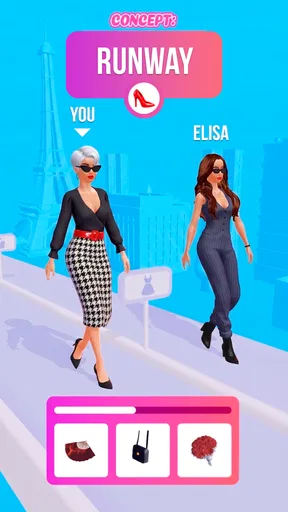
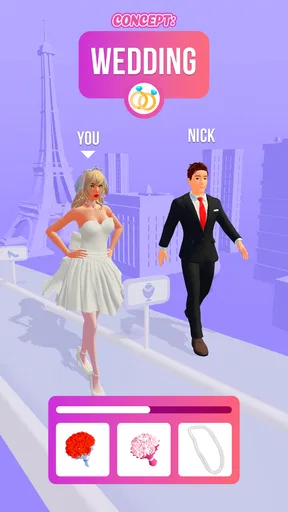
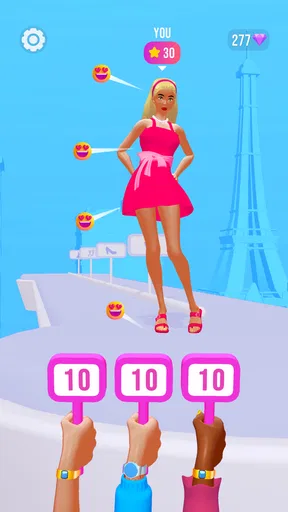
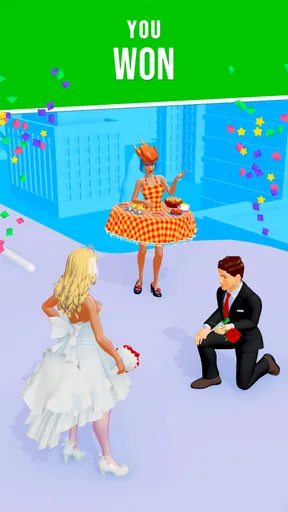
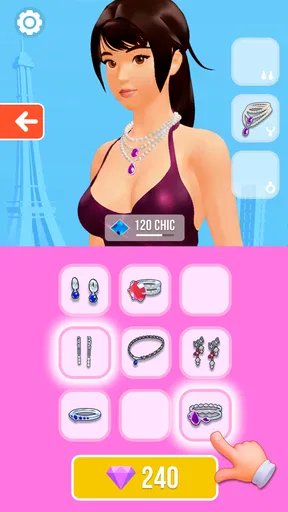
The central idea is easy to grasp: take part in a model show and aim to stand out on the catwalk. That gives each outfit a purpose. Instead of treating clothes as a collection to browse without direction, I found it more useful to think about the look as a whole: whether the pieces feel coherent, whether the styling suits the show, and whether the final result feels distinctive.
That small change in mindset makes the dressing process more satisfying. If I pick each item simply because it looks appealing on its own, the outfit can feel scattered. Choosing a general style first—bold, polished, playful, or understated—helps me make decisions faster and gives the finished look a clearer identity. It is a simple approach, but it turns a quick dress-up session into a little creative challenge.
The game’s early appeal is its accessibility. You do not need to know fashion terminology or understand a complicated set of rules to get started. The theme tells you what kind of activity to expect, and the visual choices do most of the explaining. I would recommend it to someone who likes styling characters but does not want to spend a long time learning a complicated simulation.
Progress feels best when you make deliberate choices
In fashion games, progress is not only about reaching another stage; it is also about becoming more confident in how you assemble a look. I found that setting myself a small goal before choosing items made the session feel more purposeful. For example, I might decide to build around one standout piece rather than trying to make every part of the outfit compete for attention. That kind of self-imposed plan is useful when the basic activity is familiar and you want each round to feel a little different.
It also helps to pay attention to the final impression rather than judging separate choices in isolation. A striking item can be a good starting point, but it does not automatically make the whole styling feel finished. When I paused to consider how the pieces worked together, I was less likely to change choices repeatedly just because another option caught my eye. A coherent look is often more rewarding than a pile of individually flashy picks.
Fashion Queen is free to download, with optional in-app purchases listed between $2.99 and $4.99 per item. That makes it easy to try the core idea before deciding whether spending anything suits you. My advice is to treat purchases as optional extras rather than a requirement for enjoying the styling premise. If you are playing mainly for quick creative breaks, decide what you want from the game before buying anything; a new item matters most when it genuinely helps you make looks you enjoy.
Challenge and pacing suit casual sessions
The challenge here is primarily about taste and decision-making, not mastering a complicated control scheme. That is a strength for casual play: I can open the game, focus on styling, and stop when I have had enough. It is also a limitation if I want a steep learning curve. Players who expect role-playing games to offer extensive character development, tactical choices, or a story that unfolds over many hours may find the fashion-show focus comparatively narrow.
I would not assume that every styling choice will feel equally meaningful to every player. The enjoyment depends on whether you like comparing looks and experimenting with combinations. If that is your kind of play, even a small change in approach can make a round feel fresh. If you are looking for a game where every decision changes a larger narrative or creates a complex strategy, this is probably not the right fit.
A realistic way to use it is during a short wait: I can start a session, focus on one outfit, and leave once the styling has run its course. It is less suited to a situation where I need a substantial game to occupy a long evening, because the main pleasure comes from the repeated fashion task rather than a broader, evolving adventure. Compared with many role-playing games, it asks less of your time and planning, but it also offers less variety in the kind of decisions you make.
What keeps the fashion loop interesting—and what can wear thin
The model-show framing gives the choices a natural destination, which is more engaging than dressing a character with no occasion in mind. I also like that the premise encourages experimentation: a look does not have to follow my everyday wardrobe or personal taste. Trying a bolder combination can be enjoyable precisely because it is a game, not a real-life outfit decision.
Still, repetition is the main thing to consider before settling in. When the central activity is styling for a show, the satisfaction depends on whether you enjoy returning to that same basic creative task. A player who likes fashion games may happily approach each session as a fresh styling exercise. Someone who needs new mechanics or a strong story hook to stay engaged may lose interest sooner. I would choose it for a mood-based break, not as my first pick for long-term narrative progression.
There is a useful trade-off in that focused design. Because the game does not ask me to juggle several kinds of gameplay at once, I can concentrate on the look and play casually. But that focus means it cannot serve every role-playing audience equally well. If you usually prefer battles, party-building, exploration, or lengthy quests, a more traditional RPG will likely be a better use of your time. If you want a lighter alternative centered on fashion choices, this has a clearer reason to play.
Who should try it, and who may prefer another game
I would point fashion fans toward it first, especially people who enjoy styling characters and want an uncomplicated activity they can pick up without a long commitment. It can also suit younger players who like dress-up themes, though parents should note that its content rating is Everyone 10+. That is a practical detail to check before handing it to a child, alongside the fact that purchases are available inside the game.
The game is developed by CASUAL AZUR GAMES and sits in the role-playing category. It has a 4.4 average from around 87,000 ratings, with more than 50 million installs. Those figures suggest that the fashion-show idea has reached a broad audience, but they do not tell me whether every player will enjoy its pace. I would use them as context, not as a substitute for deciding whether dress-up gameplay is what you want.
It is less likely to satisfy players who want a realistic fashion-design tool. The experience is framed as a game and a model-show challenge, so I would not approach it as a place to learn professional garment construction or build a practical wardrobe. Likewise, if you strongly dislike optional purchases in free games, be mindful of the purchase range before you start. You can still try the basic premise without treating spending as part of the goal.
Practical details before you install
Fashion Queen: Dress Up Game is free and requires Android 6.0 or later. Its current version is 1.18.0, and it was released on March 2, 2023. Those details are useful if you are checking compatibility or comparing it with other casual fashion games. On iOS or Android, I would also check the relevant app store for the version available to your device before installing.
One practical tip is to keep your first session focused: try the styling idea and notice whether you enjoy making a complete look, rather than judging the game by how many options you think it ought to have. In a dress-up game, the pleasure often comes from your own choices, so a deliberate theme can make even a brief session feel more satisfying. If the act of coordinating pieces does not appeal to you, more time with the same central activity is unlikely to change that.
Another useful distinction is between wanting a quick diversion and wanting a progression-heavy game. Fashion Queen makes more sense for the first purpose. I would open it when I have a few spare minutes and want a visual, low-pressure task; I would choose a deeper role-playing game when I want sustained challenges, a larger world, or a story to follow. Matching the game to the moment is the easiest way to avoid expecting it to deliver something it is not built around.
My verdict on its progression
Fashion Queen works best when its goal is simple: create a look that feels right for a model show and enjoy the process of making choices. The theme gives the activity direction, while the casual format makes it approachable for short sessions. I like it most as a fashion-focused break, particularly when I give myself a styling idea before I start rather than browsing without a plan.
Its biggest limitation is just as clear: the core appeal depends on enjoying repeated outfit-making. It is not the game I would recommend to someone seeking a rich RPG campaign or a constant stream of different kinds of challenges. Optional purchases are another reason to play with a clear idea of your own limits, rather than assuming every available item needs to be bought.
Overall, I would recommend it to a friend who likes dress-up games, enjoys experimenting with a model’s look, and wants something easy to dip into. I would suggest a different kind of game to anyone who values deep progression or varied mechanics above styling. If you go in for the fashion-show activity itself, rather than expecting a full-scale role-playing adventure, the experience is much easier to appreciate.
Pros and cons
Pros
- Quick rounds make it easy to play in short sessions.
- The fashion theme offers a light and accessible experience.
- Simple controls make outfit selection easy to learn.
- Different styling prompts add variety to each round.
- It can appeal to players who enjoy creative dress-up games.
Cons
- Winning may depend on how closely outfits match the prompt.
- The gameplay may feel repetitive after several rounds.
- Players looking for deep fashion design tools may find it limited.
- Some outfits or items may require in-game rewards to unlock.
- Ads or purchase prompts may interrupt the experience.


